

Key Takeaways:
- Modern AV solutions eliminate barriers like poor audio, lagging video, and complicated setups.
- Integrated technologies streamline collaboration and reduce downtime.
- Interactive displays and real-time sharing drive creativity and problem-solving.
- High-quality audio and video ensure inclusivity, clarity, and engagement.
- Flexible, smart-enabled meeting spaces adapt to diverse business needs and future growth.
Introduction
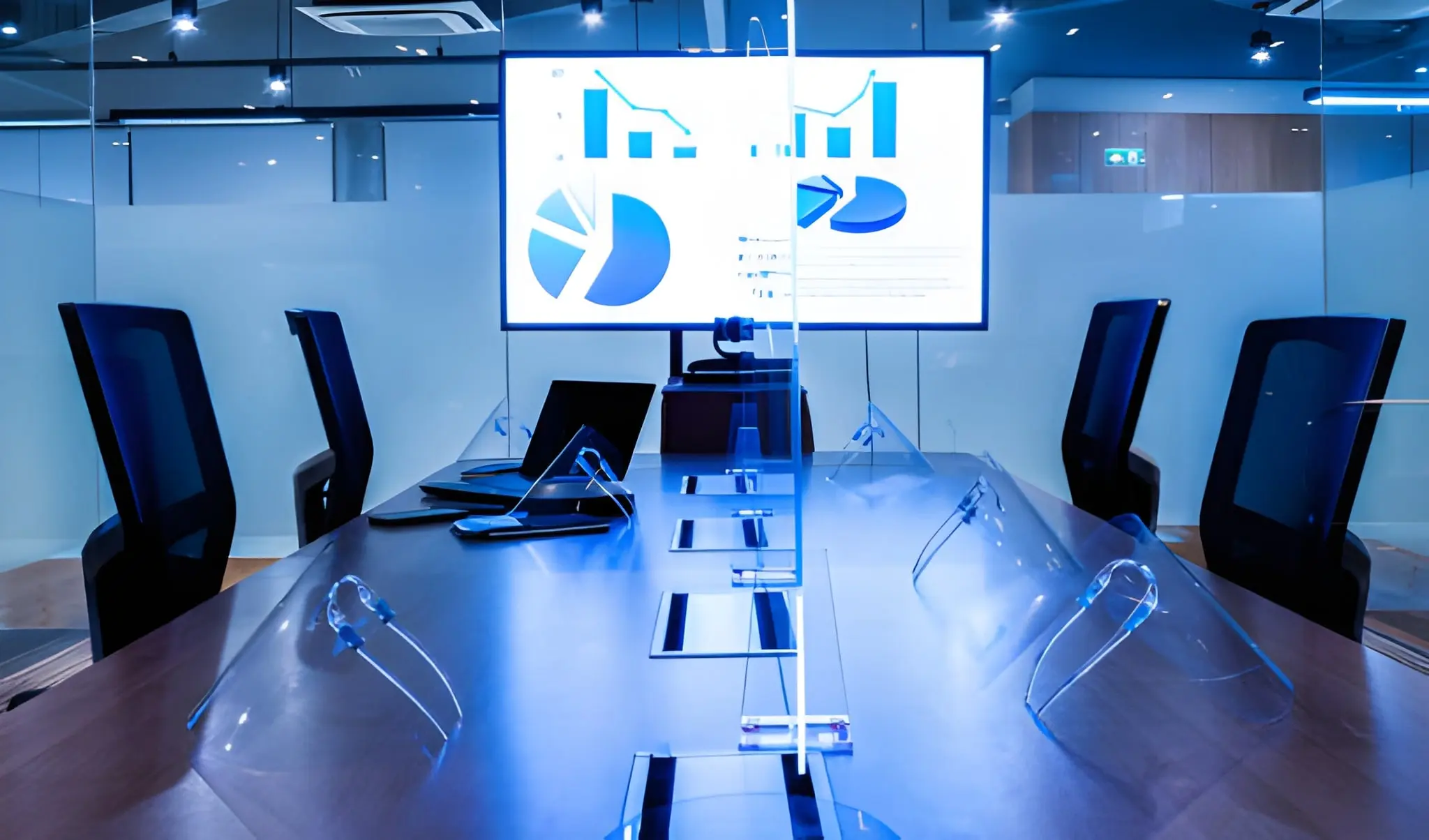
Modern business environments demand seamless communication and agile team collaboration. As organizations adapt to the ever-evolving world of hybrid and distributed work, the importance of effective meeting infrastructure has never been greater. The role of advanced audiovisual solutions has become central, as these technologies enable organizations to bridge distances and unite teams, whether they are working globally or in the same building. Integrating sophisticated technologies like audio visual installation ensures conference rooms are spaces for meetings and transformative environments where productivity thrives. High-performing AV setups change the perception of the conference room from a static, sometimes frustrating venue into a dynamic, future-ready workplace hub that empowers every meeting attendee.
Outdated equipment and fragmented meeting software can frustrate teams, leading to inefficiency and wasted time that hinder innovation and slow decision-making. The traditional barriers to productive meetings such as poor audio, lagging video, or complicated device setups are effectively eliminated with modern AV systems.
Seamless Integration of AV Technologies
Unified AV technologies are redefining how teams interact and share information. Consolidating various hardware and software into a single platform allows conference rooms to be set up and operated more efficiently than ever. This streamlined approach substantially reduces technical errors and setup delays that could discourage participants or waste valuable meeting time. For example, leading solutions like ViewSonic’s interconnected ecosystem enable displays, projectors, and video conferencing tools to work together intuitively, effortlessly supporting in-person and remote collaboration. Team members can confidently connect to a meeting room, knowing that compatibility issues have already been solved.
These systems are designed to scale, making it easier for large organizations to maintain technology standards across multiple locations while allowing smaller teams to operate nimbly. Centralized management tools enable IT departments to monitor and update AV equipment remotely, reducing downtime and enhancing troubleshooting efficiency.
Enhanced Collaboration with Interactive Displays
The evolution of conference room technology has brought about interactive displays that revolutionize group collaboration. Smart whiteboards and touchscreen panels allow teams to brainstorm, annotate, and revise ideas in real time, making group problem-solving more spontaneous and engaging. Rather than relying on outdated dry-erase boards or static projectors, modern interactive displays let participants edit content, drag and drop images, and even launch online resources with a simple tap. Whether reviewing documents or preparing presentations, participants can actively engage from anywhere in the room or remotely, using cloud-based software that synchronizes content across locations.
This real-time editing and content sharing foster creativity and make meetings more interactive and effective. Multiple users can even simultaneously work on the same display, turning passive viewers into active collaborators. The ability to instantly save and distribute annotations ensures that creativity isn’t lost and action items are clearly tracked. According to Forbes, such technologies have become essential for faster, more creative problem-solving sessions and accelerating decision cycles. Ultimately, these tools help teams break free from outdated meeting models and embrace a culture of open, engaged, and solution-focused discussion.
Improved Audio and Video Quality
High-quality audio and video are vital for effective communication especially with the rise of hybrid and virtual meetings. Advanced AV systems employ technologies such as intelligent microphone arrays and auto-tracking cameras to capture voices and visuals from all angles, regardless of varying room sizes or participant layouts. These features ensure clarity, reducing the risk of miscommunication when statements are muffled or participants are left out due to poor connection quality. Modern speaker technology helps minimize background noise while focusing audio on the person currently speaking, enhancing the overall meeting experience.
This ensures every participant, regardless of location, can contribute and be heard without distraction or miscommunication. These improvements are not just about convenience; they directly impact meeting outcomes by promoting understanding and inclusivity in discussions. Consistently clear sound and visuals help keep everyone focused on the agenda, allowing for efficient use of meeting time and more thorough coverage of important topics. As The New York Times observes, retaining high-quality connections is critical to the success of modern conferences and team interactions. In short, when everyone is visible and audible, organizations make better decisions faster and cultivate a sense of unity, even when participants are continents apart.
Flexible and Adaptable Meeting Spaces
Today’s AV solutions are built with flexibility, supporting various meeting formats from formal presentations and training workshops to impromptu brainstorming sessions and global video calls. Multiple content displays can be strategically installed and programmed to suit the specific needs of each session. This flexibility makes rooms more inviting and drastically increases their utility, transforming traditional boardrooms into multipurpose environments. Each room can be uniquely configured with customizable seating, camera angles, lighting presets, and more, enabling teams to pivot seamlessly between use cases.
Flexible AV systems also support room scheduling and can be easily reconfigured for future requirements, further future-proofing business investments. Touchless controls, automation, and wireless sharing capabilities reduce the friction of adopting new meeting formats, such as hybrid presentations, where in-person and remote attendees collaborate equally. Long-term, this adaptability means companies can respond promptly to changing business needs, scale as teams evolve, and avoid costly overhauls of their workspaces as expectations shift.
Integration with Smart Building Technologies
Combining AV systems with broader smart building technologies offers even more benefits for organizations focused on efficiency and sustainability. Automated lighting, climate control, and window shades can all be synced with AV setups, allowing rooms to adjust settings based on meeting types and occupancy. These integrations enhance attendee comfort and contribute significantly to energy savings, aligning with corporate responsibility goals and lowering operational expenses in the long run. For example, smart lighting can be dimmed for presentations and automatically return to standard brightness for open discussions, creating an optimal environment for productivity and eliminating distracting manual adjustments.
Companies embracing such connections find managing their spaces easier and reduce operational costs over time. Building automation systems can also provide data insights, helping facilities managers identify usage patterns, optimize room allocations, and plan maintenance schedules. The result is a smoother, more efficient operation that benefits users and the organization’s bottom line, reinforcing the value of integrating AV with smart office technologies for a truly future-ready workplace.
Final Thoughts
Investing in cutting-edge AV solutions transforms conference rooms into productive, inclusive, and highly adaptable environments. As organizations continue to address the challenges of hybrid work, advanced AV systems empower teams to collaborate effectively regardless of location. The result is a workplace where communication flows freely, meetings are more meaningful, and innovative ideas can flourish. By prioritizing technology-driven meeting spaces, businesses can deliver on the evolving needs of the modern workforce—and unlock greater potential across the board.